Mearto Specialist:
David U.
Dr. David U. brings over a decade of experience with a distinguished specialization in Asian and African art history. With a background in art consultancy and art management in various international galleries, he is currently lecturing for a luxury house in addition to his work for Mearto. He has curated numerous exhibitions and produced symposia and publications throughout Europe, Africa and Asia. His extensive professional network, as well as his expertise, enhances his appraisals in the categories of: Asian art and antiques, African, Pre-Colombian and Aboriginal art, swords and antique firearms.
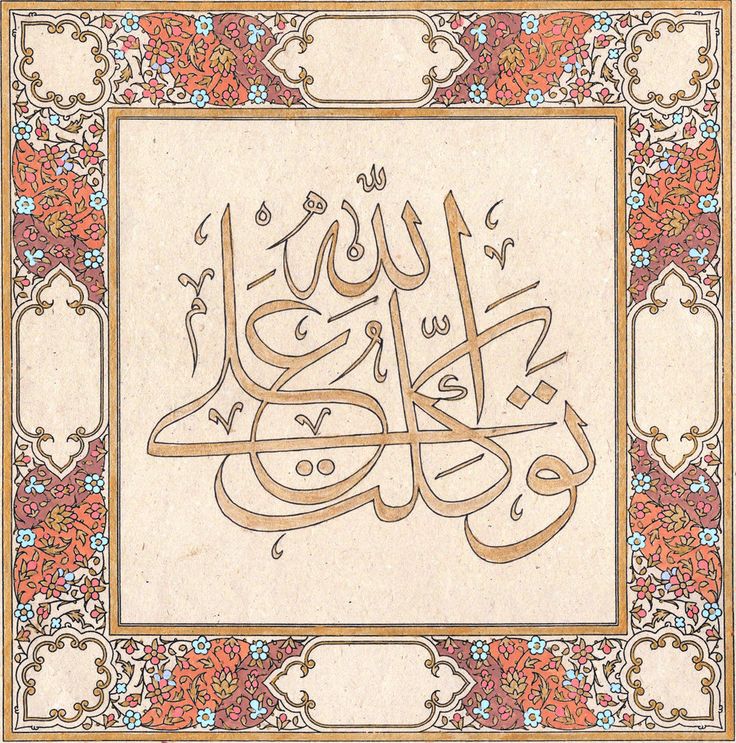
Rare Islamic calligraphy holds a unique significance within the realm of art and cultural heritage. It embodies centuries of tradition, spiritual devotion, and artistic excellence, making it a prized treasure for collectors, scholars, and enthusiasts alike. Here are some factors that contribute to the rarity of Islamic calligraphy:
- Masterful Artistry: Islamic calligraphy is a highly specialized art form that requires exceptional skill and mastery. Calligraphers meticulously craft intricate compositions of Arabic script, using a variety of styles and techniques to express the beauty and fluidity of the written word. Rare examples of calligraphy often showcase the work of renowned master calligraphers whose talent and creativity elevate the art form to new heights.
- Historical Significance: Calligraphy has played a central role in Islamic culture for centuries, serving as a primary form of artistic expression and communication. Rare examples of Islamic calligraphy may include historic manuscripts, Qur'anic fragments, or inscriptions from architectural monuments, each bearing witness to the rich tapestry of Islamic civilization and its enduring legacy.
- Rare Scripts and Styles: Islamic calligraphy encompasses a diverse range of scripts and styles, each with its own aesthetic characteristics and historical significance. Rare scripts, such as Kufic or Thuluth, are prized for their antiquity and elegance, while rare styles, such as Naskh or Diwani, showcase the ingenuity and creativity of calligraphers across different periods and regions.
- Uncommon Materials and Mediums: Some examples of Islamic calligraphy are distinguished by the use of rare materials or mediums, adding to their allure and value. Calligraphers may employ precious metals, rare pigments, or exotic materials such as vellum, parchment, or silk to create works of exceptional beauty and craftsmanship.
- Provenance and Authenticity: The provenance and authenticity of Islamic calligraphy play a crucial role in determining its rarity and value. Works with well-documented histories and connections to esteemed collections or institutions are highly prized by collectors and connoisseurs. Authenticity is also verified through expert analysis and examination, ensuring that rare examples of calligraphy are genuine and historically significant.
- Cultural and Religious Significance: Islamic calligraphy holds deep cultural and religious significance within the Islamic tradition, serving as a visual representation of divine revelation and spiritual devotion. Rare examples of calligraphy may include verses from the Qur'an, prayers, or poetic inscriptions that convey profound theological and philosophical meanings, adding an extra layer of significance to these revered works of art.
Overall, the rarity of Islamic calligraphy is a testament to its enduring appeal and cultural importance. As guardians of this cherished heritage, it is our privilege and responsibility to preserve and celebrate rare examples of Islamic calligraphy for future generations to appreciate and admire.